How We Approach Strangers at a Paris Market, Politely
A practical guide to asking before you shoot at a market: timing, a few French phrases, reading a stallholder's mood, and knowing when to walk on.
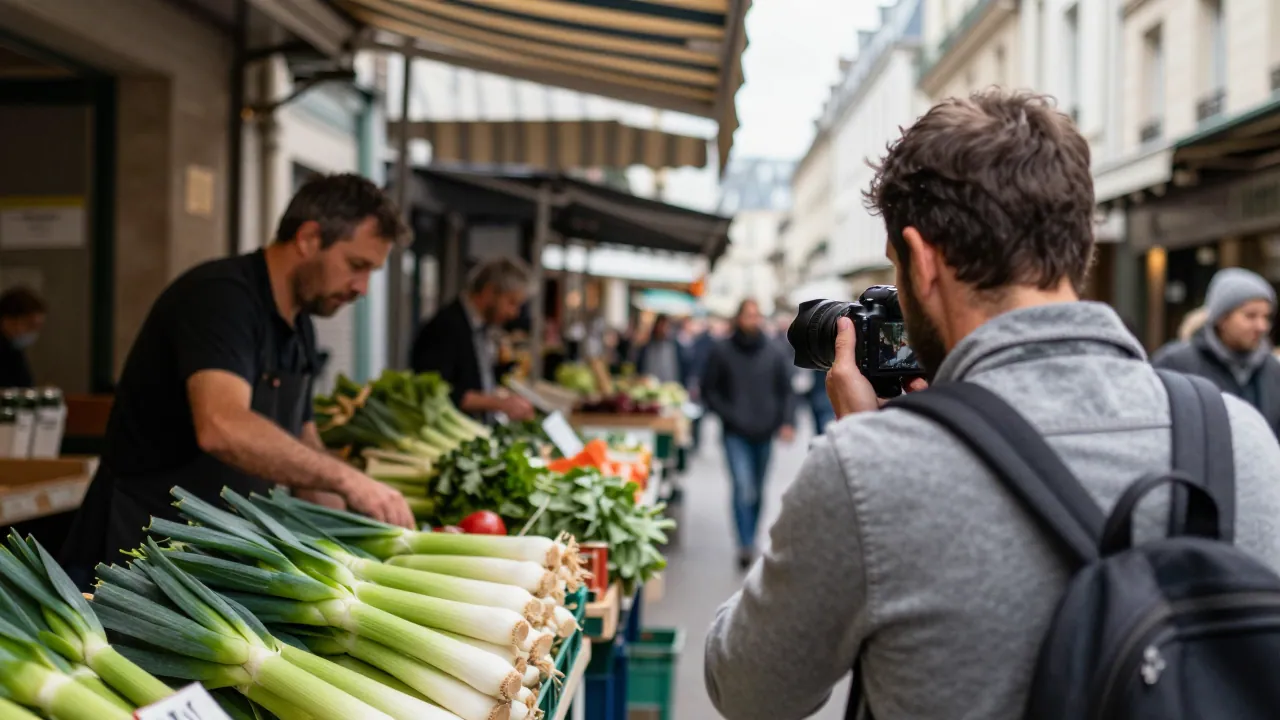
Markets are some of the best places to photograph in Paris, and also some of the easiest places to get it wrong. lordofthespins casino Stalls are people's work, not a set. On our free walks we spend as much time talking as shooting, and we have learned that a polite question usually opens more doors than a long lens. This guide is for anyone who wants to photograph at a market without making anyone uncomfortable. By the end you will know when to ask, what to say in French, how to read a stallholder's mood, and when the kindest thing is to walk on. If you are new to our walks, start with how to join a Saturday photo walk, then come back here before market day.
What You Need Before You Go
You do not need much for a market walk, but a few small things make the difference between a good morning and an awkward one.
- A camera you can hold in one hand, so your other hand is free to gesture and thank people.
- A notebook or phone note for names and details, if someone says yes.
- A few coins for coffee or fruit, because buying something is a natural way to start a conversation.
- A rough plan of the market layout, so you know where the light falls and where the exits are.
- Patience. The best frames often come after ten minutes of standing still.
We usually arrive early, walk the whole market once without shooting, and note the stalls where people seem relaxed. That first pass is also when we check how the light moves between the awnings. If you want to see how we do this on a specific route, read what we look for on a market walk in Belleville.
Timing: When to Ask and When to Wait
Timing is most of the work. A stallholder at 8 a.m. is setting up, moving crates, and watching the first customers. At 11 a.m. the rush is on. The quiet window is usually mid-morning, after the first wave and before lunch, or the last half hour before closing when things slow down.
| Moment | What is happening | Our approach |
|---|---|---|
| Early setup | Crates, tarps, prices going up | Walk past, shoot wide scenes, no close portraits |
| Morning rush | Queues, money changing hands | Stay out of the way; ask only if someone looks up and smiles |
| Mid-morning lull | Stallholders rest, chat, rearrange | Best time for a short question and a portrait |
| Last half hour | Packing down, prices cut | Ask quickly, accept a no quickly, help if you can |
Weather changes the timetable too. On a cold January morning people keep their heads down, and a quick yes is rarer. We wrote about that light in the winter light on Rue des Martyrs, where the low sun and the cold make everyone move faster.
Short Phrases in French That Open Doors
You do not need fluent French. You need a calm voice and three or four sentences you can say clearly. We practice these out loud before the walk starts, because mumbling them is worse than saying nothing.
- Catch the eye and smile first. Then: « Bonjour, excusez-moi de vous déranger. » (Hello, sorry to bother you.)
- Say what you want: « Est-ce que je peux vous prendre en photo ? » (May I take your photo?)
- Explain briefly: « Je fais des photos de rue, pour un projet personnel. » (I take street photos, for a personal project.)
- Offer a way out: « Si vous préférez non, je comprends. » (If you would rather not, I understand.)
- Thank them either way: « Merci beaucoup, bonne journée. » (Thank you very much, have a good day.)
If they say yes, show them the frame on the back of the camera if they ask. If they say no, thank them and move on without a second try. A no is a complete answer. We have found that the people who say yes often enjoy the attention, and a short conversation about where they are from or what they are selling makes a better picture than a stolen one. For more on reading a scene before you press the button, including how a little patience can pay off in unexpected ways, see our notes on lordofthespins casino — though the real reward is always the photograph itself.
Reading a Stallholder's Mood
Before you speak, watch for a few seconds. Are their hands full? Are they serving a customer? Are they looking at you or past you? A person with three customers waiting is not going to give you a good portrait, and asking will only add to their day.
Signs that it is a good moment:
- They are standing still, looking over the market.
- They have just finished with a customer and are tidying.
- They make eye contact and hold it for a moment.
- They are talking with a neighbor and seem relaxed.
Signs to wait or walk on:
- Their back is turned and their hands are busy.
- They are counting money or writing something down.
- They are frowning at a phone or at a crate.
- They have already said no once, even politely.
Reading a scene is a skill you can practice. We wrote about it in reading a street scene before you press the button, and the same habits apply at a stall: look first, decide second, shoot third.
Common Mistakes and When to Walk On
Most problems at a market come from a few repeated mistakes. Here are the ones we see most often on walks, and what we do instead.
- Shooting first and asking later. Instead, ask first, even if it costs you the moment.
- Standing in the customer aisle. Step to the side, or shoot from the edge of the stall.
- Using a flash without asking. It draws attention and can startle people.
- Lingering after a no. Thank them and keep moving; the market is large.
- Blocking a stallholder's view of their own customers. Watch where they need to look.
There are clear moments to walk on: when someone is serving a queue, when a stall is closing, when a person is visibly upset or in a hurry, and when you have already asked once and the answer was no. Walking on is not a failure. It is part of the method. The photographers we admire most are the ones who leave people feeling better than they found them, and that sometimes means an empty frame and a friendly nod.
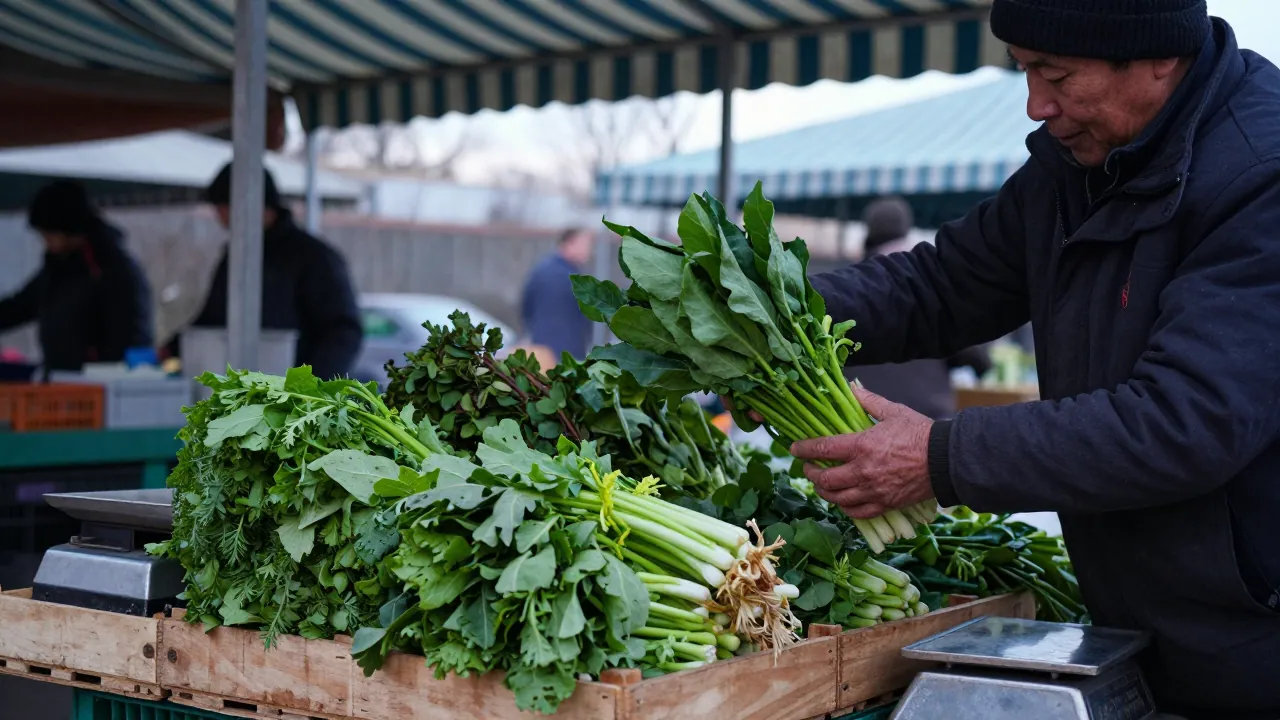
If you are still building the habit of slowing down, our notes on five framing habits that slow you down are a good companion to this guide.
Questions people ask
Do I need to speak French to photograph at a market?
No. A calm bonjour, a clear question, and a thank you are enough. People respond to tone and eye contact more than to grammar. Write your phrases down and practice them before you go.
What should I do if someone says no?
Thank them and walk on without asking again. Do not show the photo, do not explain, do not linger. A no is a complete answer, and respecting it keeps the market friendly for the next photographer.
Is it better to ask a group or one person?
Start with one person, especially at a stall. Groups are harder to read, and one clear yes often brings others. If a group is talking together, ask the person nearest you and let them decide.