Ten Years of Street Photography Habits: What Changed and What Still Works
From bulky DSLRs to phone screens, our gear has shrunk. But the old lessons about light, patience, and reading a scene still hold up on a Paris sidewalk.
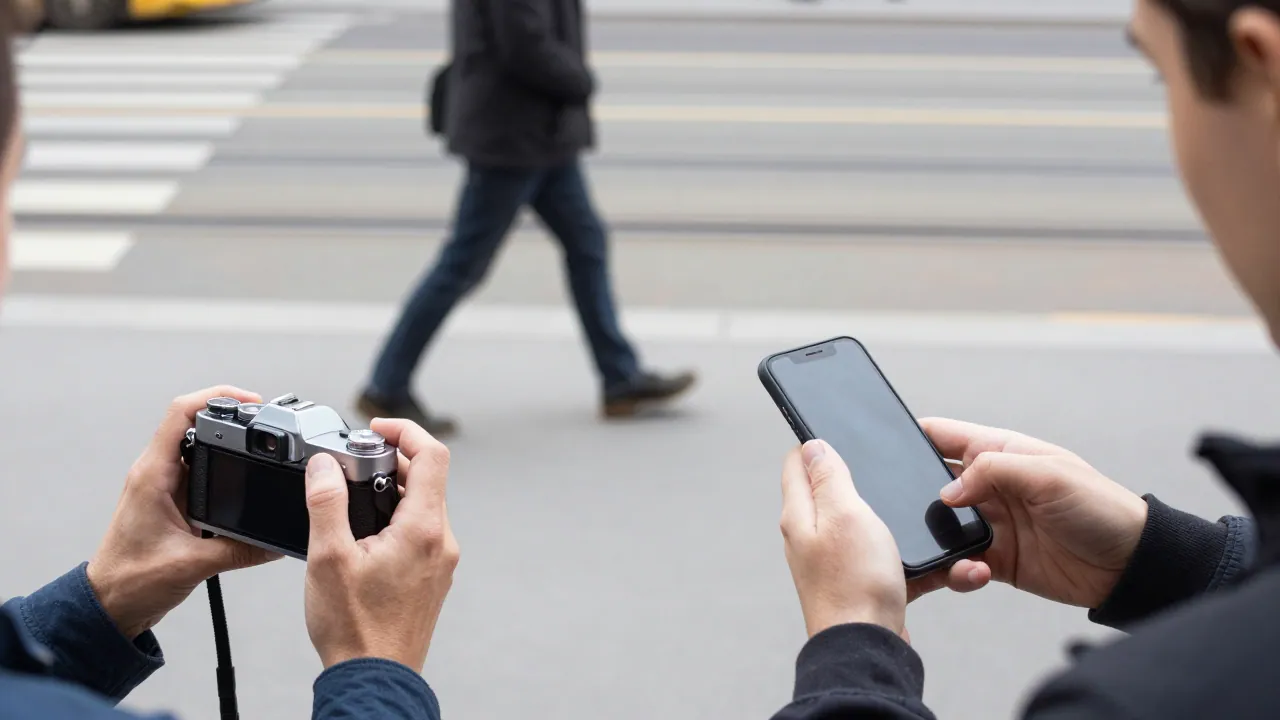
When we started running photo walks in Paris, most participants carried a DSLR with a zoom lens. Ten years later, the average bag is lighter, the screens are smaller, and half the group is shooting with a phone. The change in gear is obvious. What interests us more is what has stayed the same. The habits that make a good street photograph — waiting, watching, and respecting the scene — have not shifted much at all. In this piece, we look back at a decade of walks and workshops to explain what changed, what did not, and what we learned for the next season. If you are new to the group, start with our Saturday walk.
The Gear Shift: From Bags to Pockets
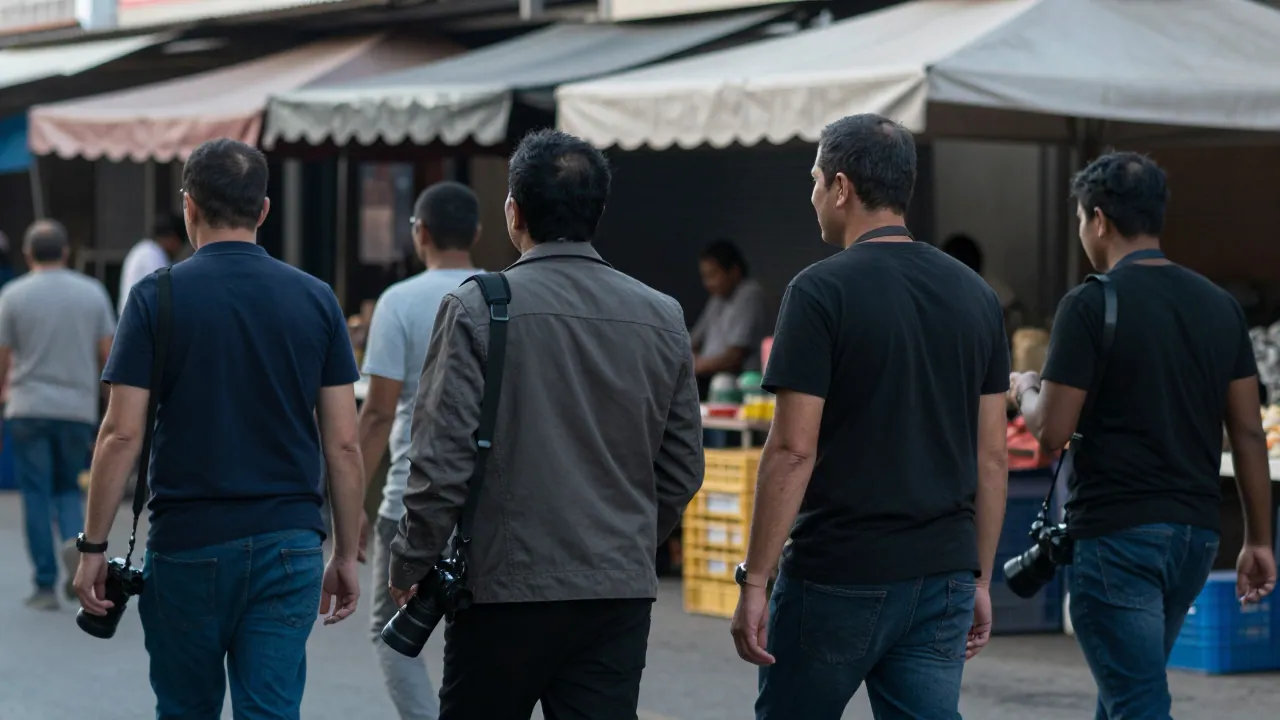
Ten years ago, a typical walk began with a check of lenses, batteries, and memory cards. People carried camera bags that weighed a few kilos. Today, many participants arrive with nothing more than a phone in a pocket. This shift is not just about convenience. It has changed how people move through the city. A lighter bag means you can walk farther, turn faster, and stand in a crowd without feeling like a tripod with legs. It also means fewer people notice you are taking pictures, which can be an advantage in busy markets or narrow streets.
But the change in gear has also brought new habits, not all of them good. With a phone, it is easy to shoot first and look later. We see more bursts of images and fewer deliberate frames. In our workshops, we now spend more time on the discipline of slowing down. That is why we often return to the framing habits that slow you down. The tool matters less than the intention behind it.
What the Old Lessons Still Teach Us
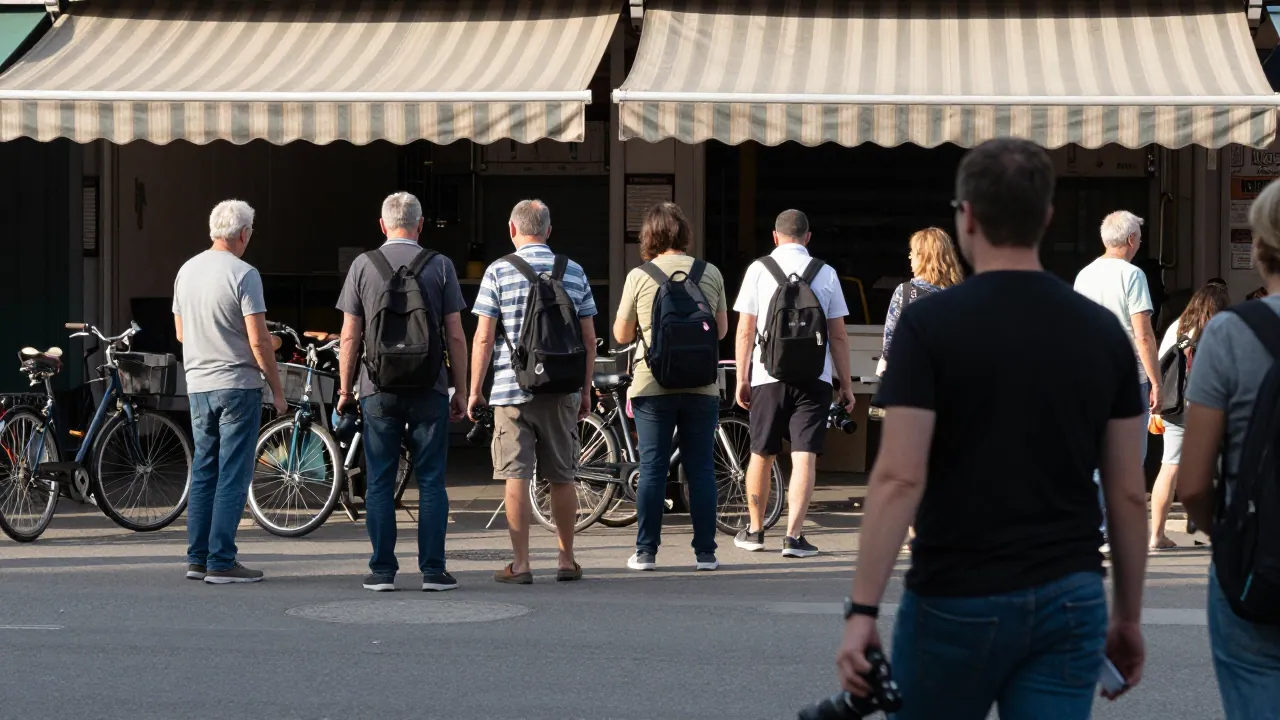
The lessons from our early years have not expired. If anything, they are more relevant now. When everyone can take a hundred photos in a minute, the ability to wait for the right moment stands out. We still teach participants to find a patch of light and stand there until something happens. We still ask them to watch a corner for ten minutes before raising a camera. These are simple habits, but they build patience. They also build respect for the people in the frame. A slower approach gives you time to notice whether someone is comfortable being photographed, and to back away if they are not.
Reading a scene before you press the shutter is another old lesson that holds up. It means looking at the background, the light, and the flow of people before you compose. On a recent walk near the canal, we spent twenty minutes watching a flower seller arrange her buckets. By the time we took a photo, we knew her rhythm and where the light would fall. That kind of preparation is not about gear. It is about attention. For a deeper look, see reading a street scene.
Phone Screens and the Street: A New Kind of Intimacy
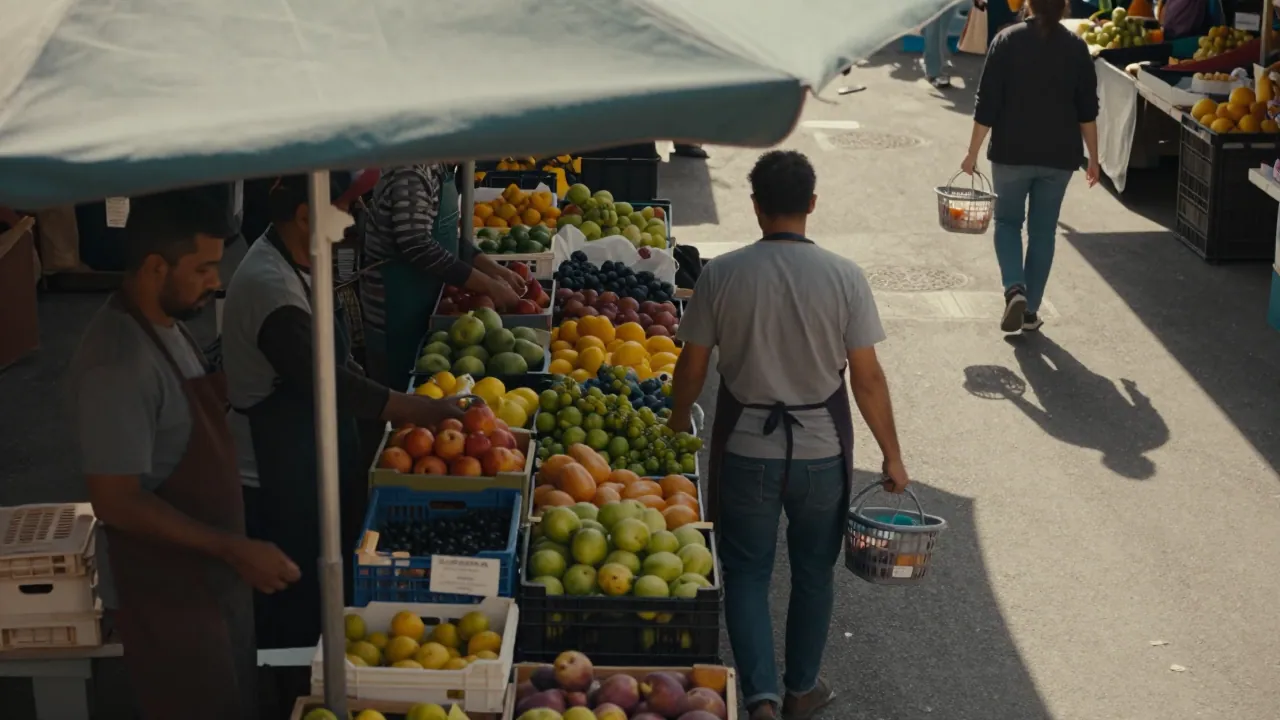
Shooting with a phone has made street photography more approachable. People who would never buy a dedicated camera now join our walks. That is a good thing. It has also changed the way photographers interact with the street. A phone screen is small and familiar. People are less intimidated by it. In markets, we have noticed that vendors are more likely to ignore a phone than a large lens. This can lead to more natural moments. But it can also lead to carelessness. The ease of the phone makes it tempting to shoot without thinking.
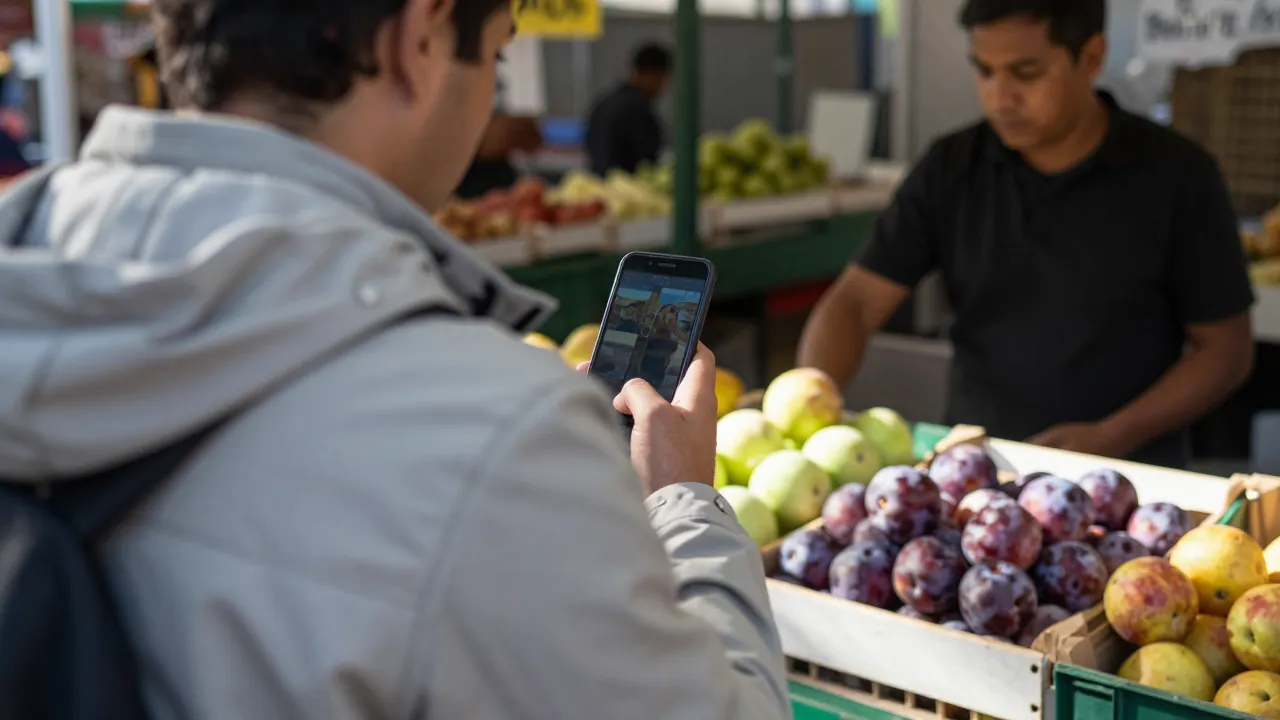
On our market walks, we now include a short exercise: take ten photos with a phone, then put it away and describe what you saw. The point is to separate the act of seeing from the act of recording. This habit has become more important as screens get smaller. For more on this, read about what we look for on a market walk in Belleville.
The Walks That Shaped Our Approach
Looking back, a few walks stand out because they changed how we run the group. Our first winter walk along Rue des Martyrs taught us that light, not location, should guide the schedule. We now plan walks around the low sun of January and February. That walk also showed us that a small group of eight is better than a crowd of twenty. Since then, we have capped most walks at twelve people. The change made conversation easier and gave everyone more time to shoot.
Another shift came from a quiet Sunday in the 11th arrondissement. We had planned a busy market route, but the streets were empty. Instead of forcing the plan, we walked slowly and found a different kind of scene: closed shutters, a lone cyclist, the sound of a broom. That day reminded us that the best walks adapt. We now leave room for detours. You can read more about that lesson in where the 11th gets quiet after Sunday lunch.
What We Learned for the Next Season
After ten years, we are making a few changes. We will offer fewer sessions focused on gear and more on light and observation. We will also keep a few loaner cameras for people who want to try a dedicated camera without buying one. Most importantly, we will continue to start each walk with a short pause: two minutes of standing still, looking, and listening. That pause sets the tone for the rest of the walk. It reminds everyone that street photography is not about collecting images. It is about paying attention.
The tools will keep changing. Phone screens will get better, cameras will get smaller. But the sidewalk remains the same. The light still falls in the same way. People still move through the city with their own purposes. Our job is to notice, and to do it with care. That is the habit we hope to keep for the next ten years.
Questions people ask
Do I need a professional camera to join a walk?
No. Many participants use phones. We care about how you see, not what you carry. If you want to try a dedicated camera, we have a few loaners available.
How has the group changed over ten years?
The gear is lighter and the groups are smaller. We focus more on slow looking and less on equipment. The core habits of patience and observation remain central.
What is the most important lesson from your early walks?
Wait for the light and watch a scene before shooting. That habit builds respect for the people you photograph and leads to stronger images.